What Corporate Filmmaking Work in India Really Involves Day to Day
Corporate filmmaking is mostly production management, not directing. A look at scoping, briefs, local crews and the order of steps that keeps a shoot calm.

Corporate filmmaking is mostly production management, not directing. A look at scoping, briefs, local crews and the order of steps that keeps a shoot calm.
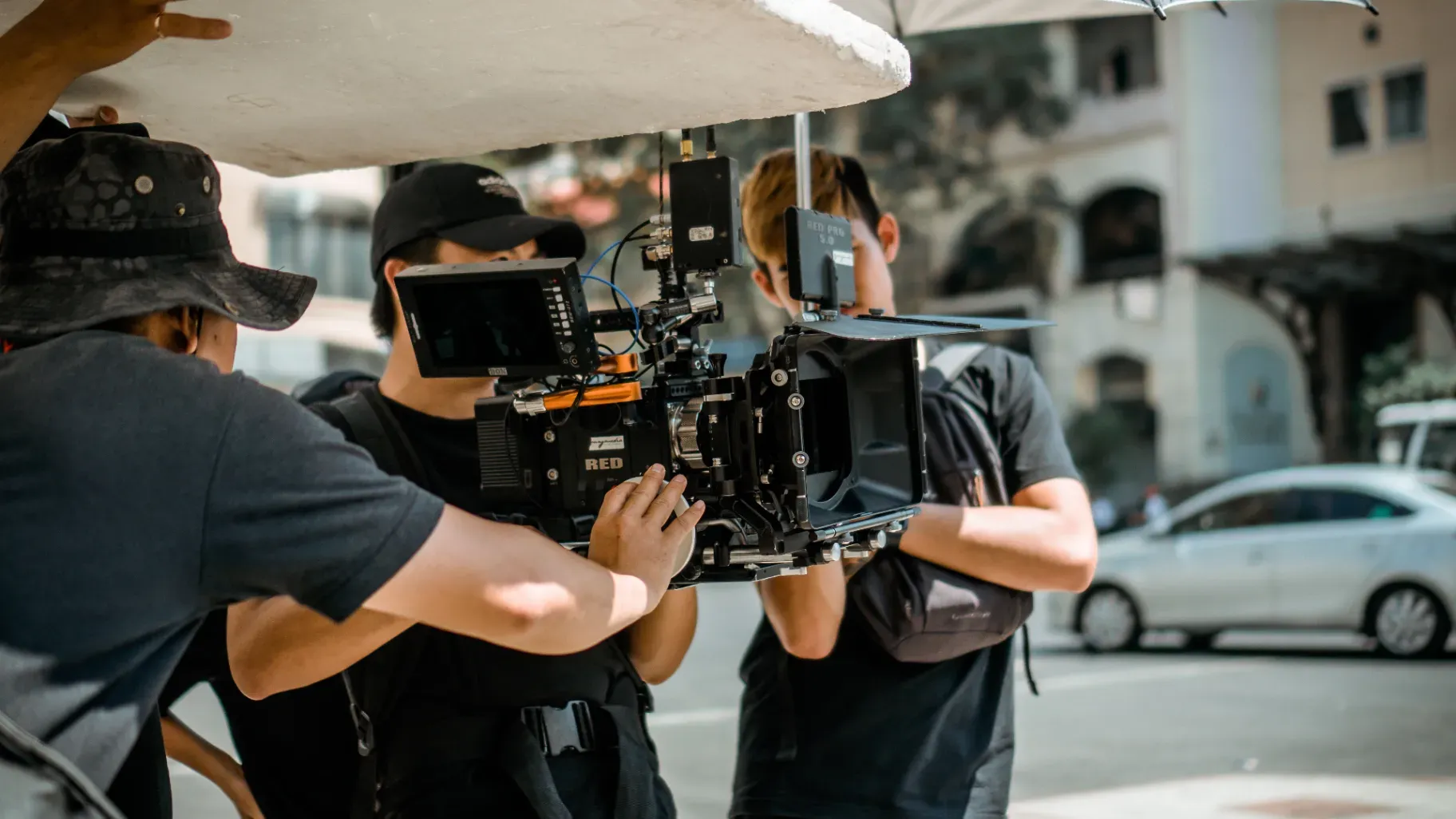
Corporate filmmaking is not mostly directing. It is mostly waiting, and the people who hire you are paying for the waiting to be organised. If you are looking at corporate film jobs because you want to be on set with a camera in your hand, read the job description again. One line item is the camera.
The shoot is the small part
A corporate film that runs three minutes on screen usually takes weeks before anyone calls action. There are permissions to chase, a brief to interrogate, a crew to confirm and a schedule that has to survive somebody's quarterly review. The shoot itself is a day or two. Sometimes half a day.
This surprises people new to the work. It should not. On a documentary you can turn up and find the film in the edit. On a corporate film the client has already decided what the film is, in writing, before you are hired.
That is the normal shape of it. The shoot is the shortest part of the timeline.
What the job actually is
Corporate filmmaking is production management with a camera attached. Scoping, budgeting, crewing, scheduling, delivery. The lighting is a component. So is the edit. Neither is the job.
Scoping means turning a paragraph of ambition into something shootable in the days the client can afford. Budgeting means knowing which line will eat the money if it moves. Crewing means finding people who have worked this kind of shoot before, not the cheapest names on a list. Scheduling means building a day that survives traffic, a late interviewee and a building manager who changes his mind.
Get the management right and the filming is calm. Get it wrong and no amount of good framing saves the project.
The brief is the film
A written brief and a named approvals chain decide more about the finished film than anything that happens on set. A film can be well shot and still fail if nobody agreed who the audience was. A modest film can sail through if the brief was specific and the approvers were named on day one.
So the brief gets interrogated before a quote goes out. Who is this for? What do they do after watching it? Who signs off, and is that one person or a committee? What is the one sentence the viewer must remember? If the client cannot answer those, the film is not ready to be made.
The step people get wrong is treating the brief as a formality and starting to plan shots. The shots are the easy part. The agreement is the work.
A local crew knows the ground
For a shoot in a city I am not based in, a local crew is usually the better choice, and I say so. They start the day already knowing what a flown-in crew spends its first day discovering: which gate the security will actually open, where the power is, how long the lift takes, who to call when the location falls through.
That knowledge is not a small advantage. On a two-day shoot it is most of the advantage.
There is a version of this that cuts against my own interest. If a client wants a large production running several units at once, a production house with that bench is the right call, not an independent. If they want quick internal clips, their own team will do it faster and cheaper. I am the right choice for a film that needs one director who will also manage the production. If the job needs a bench of several units, or a fast in-house turnaround, I am the wrong call and I will say so before the quote goes out.
The steps I follow
Every project runs roughly this order. The order is not negotiable; skipping a step moves the cost, it does not remove it.
- First call. Understand what the film is for and who will see it.
- Interrogate the brief in writing. Get the audience, the message and the approvers named.
- Scope and budget. Fix what is in and what is out before anyone gets attached to an idea.
- Recce and permissions. Confirm the locations, the access windows and the paperwork.
- Crew and schedule. Confirm people and build a day that has slack in it.
- Shoot. Two days at most for most corporate films, often one.
- Assembly and review. First cut to the client, notes consolidated through one person.
- Grade and delivery. Final cut, colour, and every aspect ratio the client asked for.
Step two is the step people get wrong. A brief that has not been interrogated is a brief that will be rewritten after the shoot, and that rewrite is paid for in reshoots or in a film nobody is happy with.
Where the day goes
A shoot day is mostly waiting. Waiting for the interviewee to arrive. Waiting for the room to be quiet. Waiting for the laptop to stop whirring. Then twenty minutes of filming, then resetting for the next setup.
Non-actors are the other half of it. A founder who has never been on camera needs to be talked down before the first take, and the talking down is part of the job. You are managing a person's nerves as much as a shot list.
The filming is short bursts. That is not a failure of planning. It is what a well-run day looks like.
The edit is not a cleanup
The film is made in the edit. On set you gather the material; in the edit you decide what the film actually says. Clients who treat post as a cleanup after the shoot are the ones who end up with a film that does not land.
I cut and grade on DaVinci Resolve Studio, and I treat the graded cut as a separate service, because it is one. Colour is not a filter applied at the end. It is a pass with its own decisions and its own time.
Budget for the edit as a real phase, with real review rounds, and the project gets cheaper. Budget for it as an afterthought and you will pay for it twice.
What it costs in time
Permissions are the long pole. Airport filming and aerial work need the longest lead time of anything on an India shoot. The schedule gets built backwards from those dates, not forwards from the shoot. A location that needs clearance can hold up the whole schedule if it is raised late.
Contracts and payments are not mine to decide. Terms are set by the client's legal or finance team, and I work within them. Ask your own people what a sensible schedule looks like for a shoot of this size. I cannot tell you what your procurement department will agree to.
Plan in weeks, not days. The shoot is the shortest part of the timeline and the least likely to move.
Common questions
Do I need a production house or can I hire a single filmmaker?
For one film with one director who will also manage the production, a single filmmaker is often the better and cheaper choice. For several units running at once, or a shoot that needs a large crew, a production house is the right call.
How long does a corporate film take from first call to delivery?
Weeks, not days, and the permissions set the floor. Airport filming and aerial work push it out further. Anyone promising a finished film in a few days is either skipping steps or has not read the brief.
Can you write the script as well as shoot it?
Yes, concept and scripting are part of what I do end to end. But the script is only as good as the brief behind it, and the brief is the client's to own.
Who handles contracts and payments?
The client's legal and finance teams. That is their authority, not mine, and it is better that way.
What if I only need the shoot and will edit in-house?
That works, and it is a real way to save money. Just agree the delivery format and the aspect ratios before the shoot, because changing them afterwards costs more than the edit saved.
The waiting is the work. The filming is what you get for organising it.