The Kodak Charmera and the Fun I Had Forgotten About
I bought a $30 Kodak Charmera at an airport in the Philippines while carrying a phone that shoots 48 megapixels. It turned out to be the most fun I have had with a camera in years.

I bought a $30 Kodak Charmera at an airport in the Philippines while carrying a phone that shoots 48 megapixels. It turned out to be the most fun I have had with a camera in years.
I bought a camera I absolutely did not need
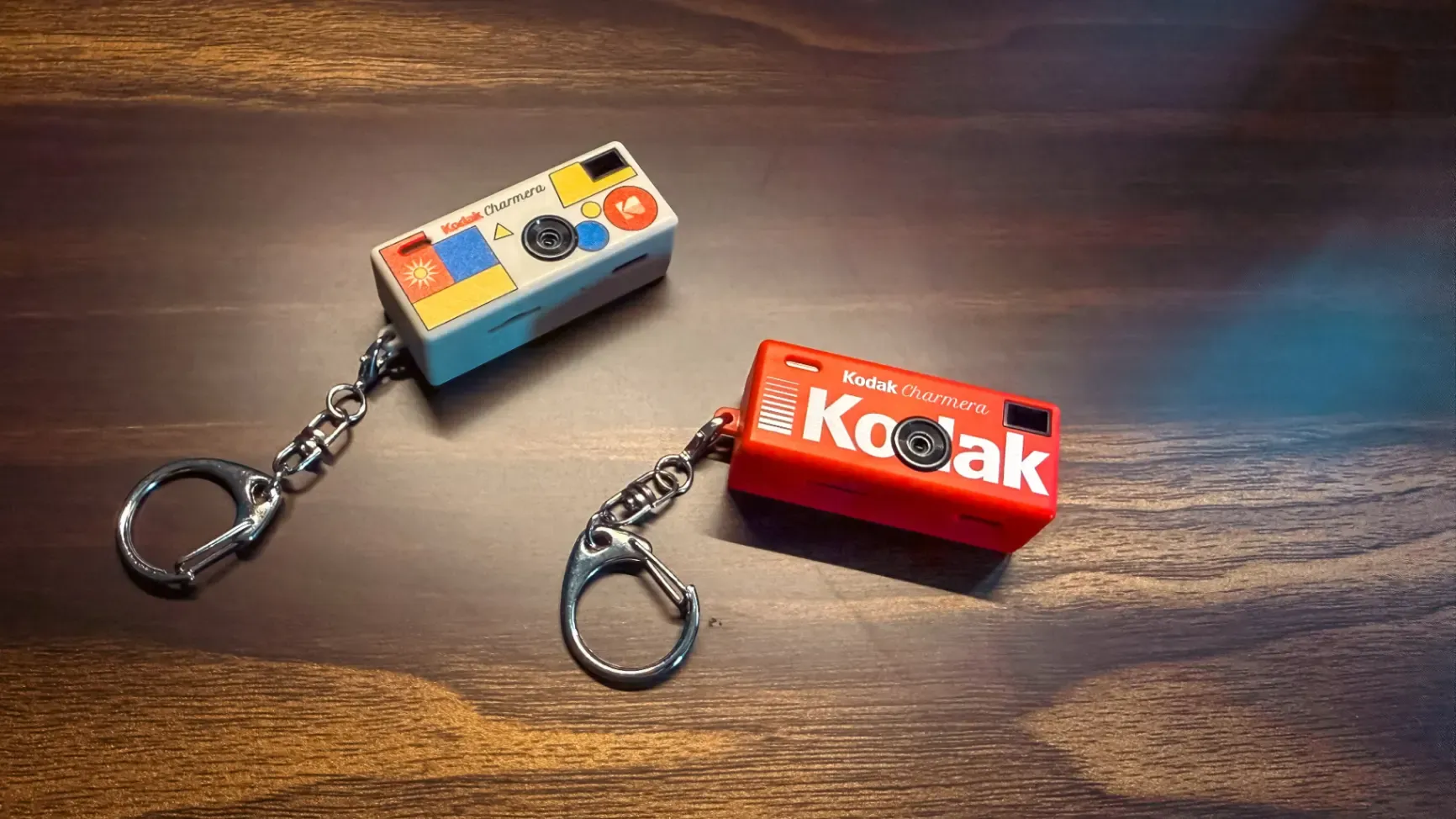
We were at Clark airport on our way to Coron, doing the thing you do at airports, walking slowly past shops you have no business walking into. And there it was, a small display of Kodak Charmera boxes. I had seen this camera online months earlier and filed it away as a gimmick. Standing in front of it, I did not file it away at all. I bought two, one for me and one for my friend Surya.
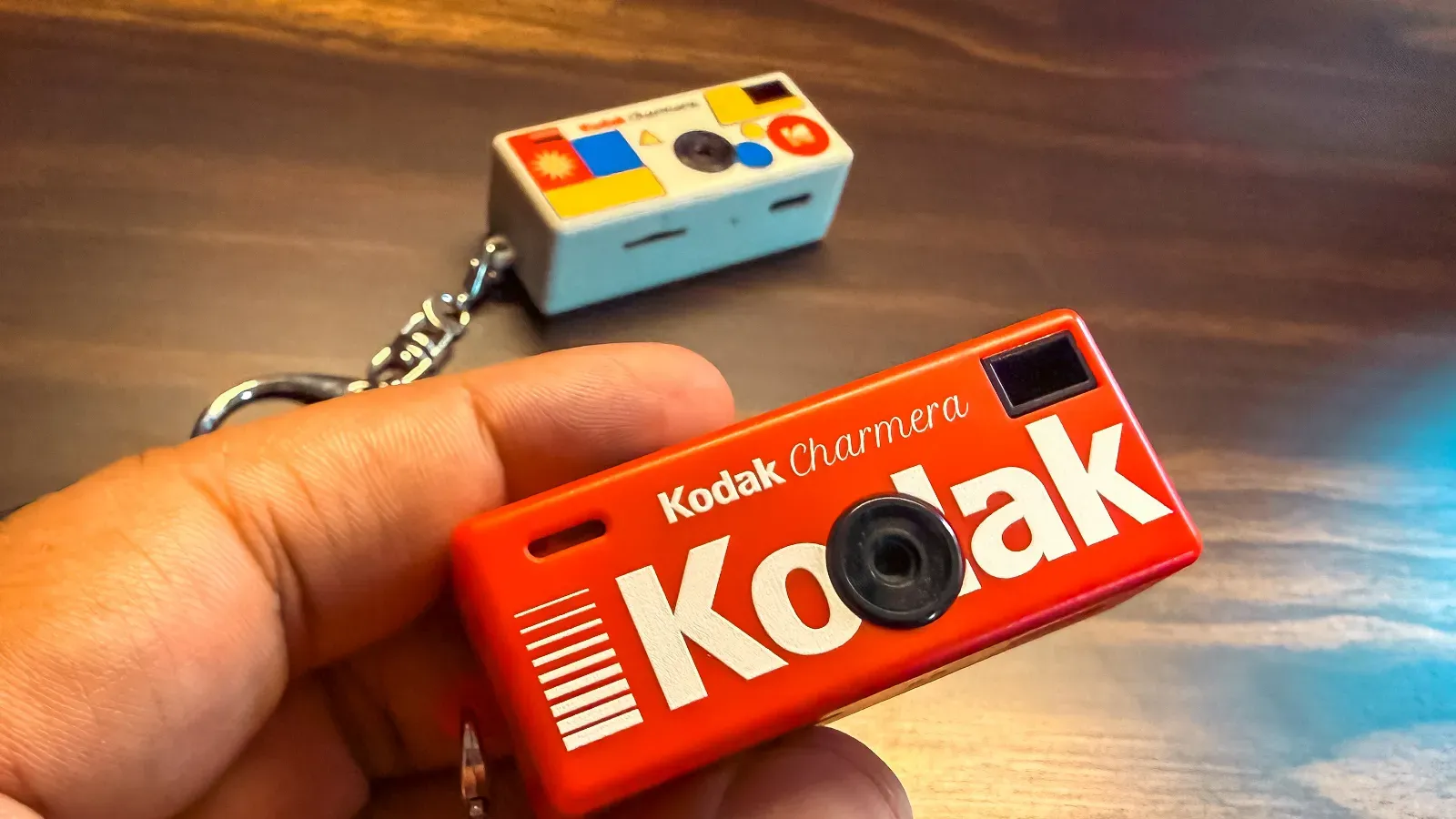
The boxes are blind, which means you do not get to pick your colour. You buy the box and the box decides for you. Mine came out red. Surya's came out a cream one with little coloured blocks and shapes printed all over the body. I am a grown man who shoots for a living, and I was standing in the middle of a terminal peeling open a cardboard box to find out what colour my camera was, grinning like an idiot.
In the bag between my wife and me were two of the latest iPhones. Cameras that would have looked like science fiction ten years ago. I did not need this thing at all.
That is more or less the whole point of this article.
What the Kodak Charmera actually is
Let me get the review part out of the way honestly, because there is a lot of noise about this camera and not much plain information.
The Charmera is made by Reto under licence from Kodak, and it is styled after the Kodak Fling, Kodak's first disposable camera from 1987. It is about the size of a tube of lip balm, 58 x 24.5 x 20 mm, and it weighs 30 grams. It has a keyring loop, which is not a marketing detail. It is the entire idea.
The specifications, plainly:
- Sensor: 1/4-inch CMOS, 1.6 megapixels (1440 x 1080). I had assumed it was 1.3. It is 1.6, which next to a phone shooting 48 is the same joke either way.
- Lens: fixed 35mm equivalent, f/2.4, plastic. No zoom, no focus ring, nothing to set.
- Video: 1080p at 30fps, written as AVI.
- Screen: a 0.8-inch display on the back, plus two holes through the body that act as a viewfinder and lie to you about your crop.
- Extras: an LED flash, seven filters, four frames, and a tiny speaker that plays a shutter sound because somebody on that design team understood people.
- Storage: microSD up to 128GB, not included. Buy one before you travel.
- Power: a 200mAh battery over USB-C.
- Price: around thirty dollars, in a blind box, with a rare chase variant if you are lucky.
Five buttons and no menus worth the name. You will have it figured out before your flight boards.
What the photos and video actually look like
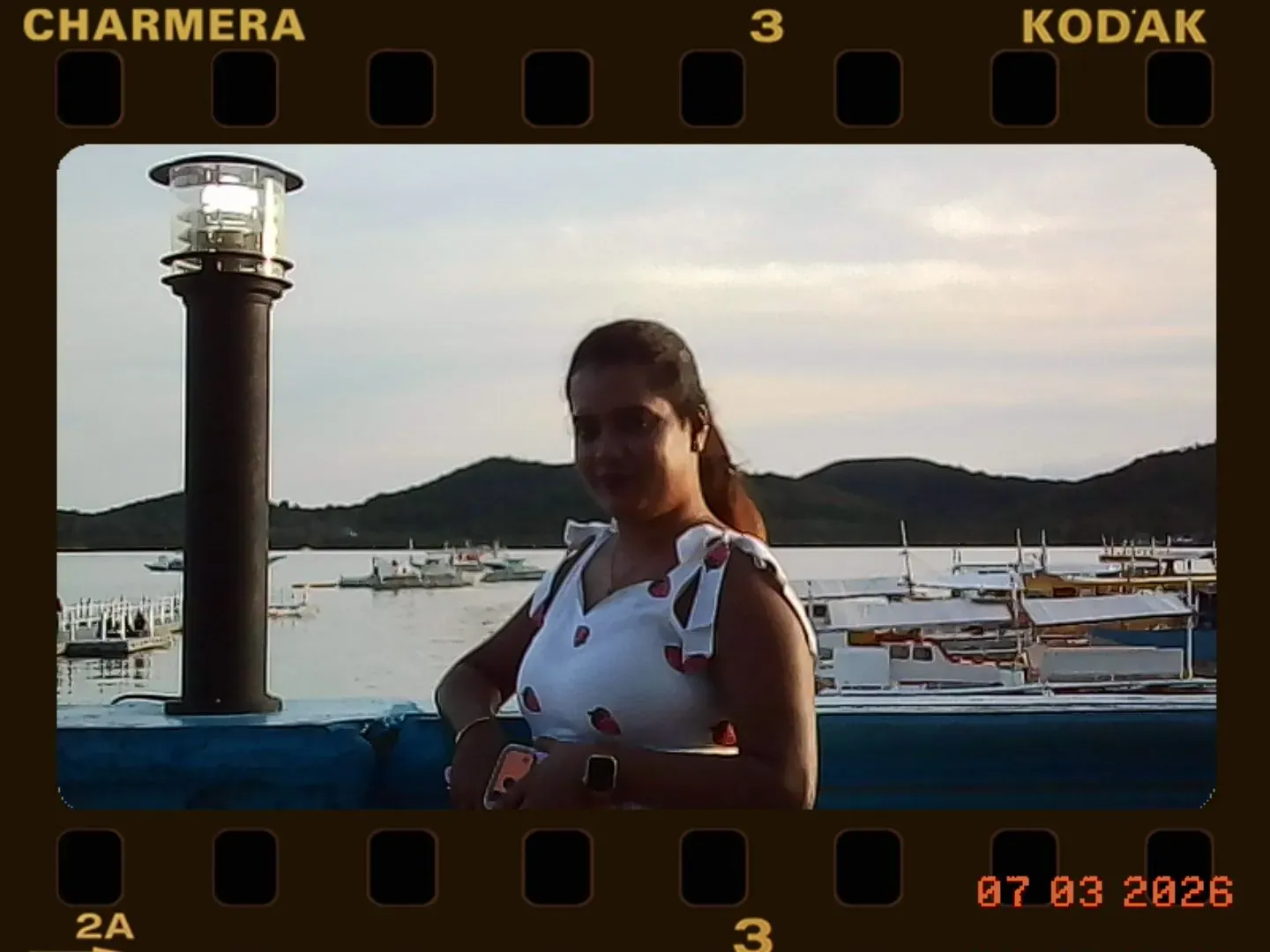
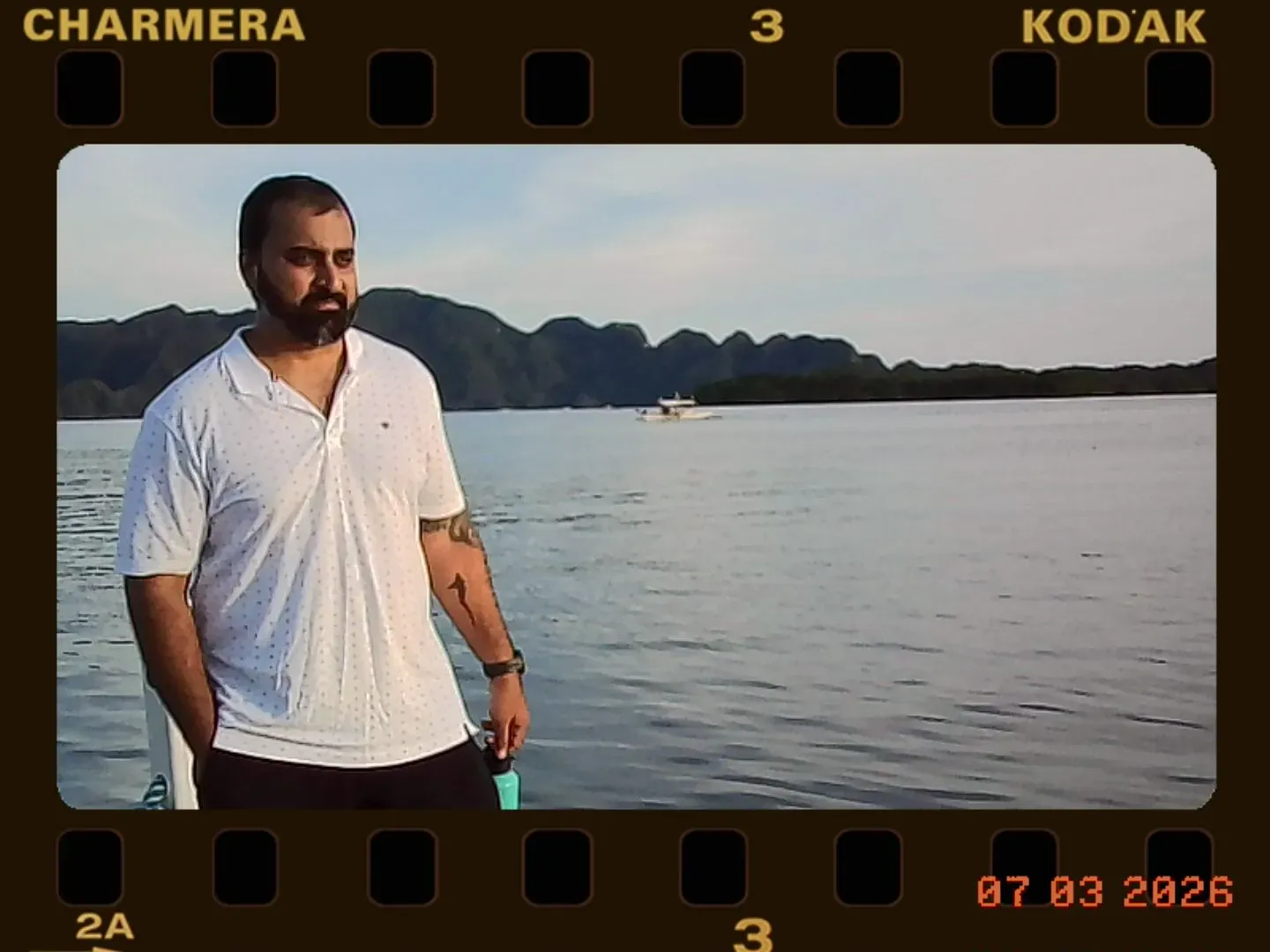
Soft. Grainy. The dynamic range is narrow enough that a bright sky will go white and stay white. Autofocus does not exist, so anything close to the lens is a smudge. In dim light it falls apart quickly, and by night it is more or less decorative.
The video is worse than the stills, and I say that as someone who shoots video for a living. It is watchable, it is compressed, and the audio is regularly ruined by the sound of a keychain knocking against the body while you hold it. If you want cinematic footage from your holiday, this is emphatically not the device.
And yet.
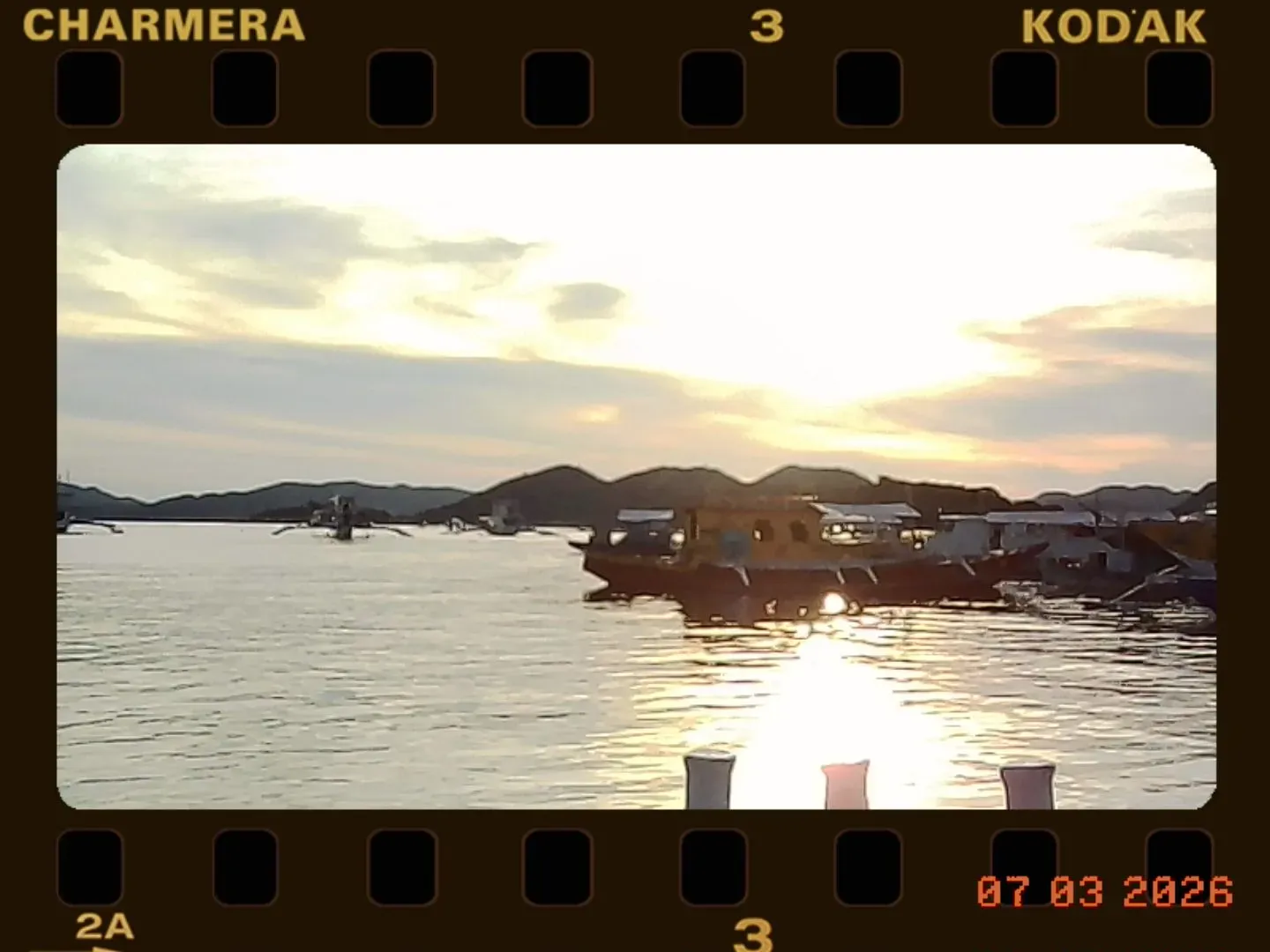
In good daylight, which the Philippines hands you generously, the images have a warmth and a rawness that I have not been able to get out of any phone. Boats on the water at Coron, harsh midday sun, sunburnt shoulders, blown highlights, colour that drifts somewhere it was not asked to go. They do not look like phone photographs with a filter applied to imitate film. They look like actual photographs from 2003, the kind that used to come back from a lab in an envelope, and something in me responded to that before I had thought about why.
I have made a film called [Hiraeth](/work/short-films/hiraeth), which is about a longing for a time or a place that may never have existed. Looking at these pictures on my laptop after the trip, that word kept coming back. In an age of high resolution and then ultra high resolution, a tiny plastic thing making 1.6 megapixel images felt genuinely refreshing. Not because it is better.
Because it is not trying to be.
Somewhere along the way, photography stopped being fun
Here is the part I actually wanted to write.
I think a lot of us who set out on the journey of photography got lost somewhere in the middle of it. We started because a camera was a fascinating object and the world outside was interesting. Then, at some point, it became sharpness and dynamic range and which lens to buy next, and whether the frame is clean enough to post, and whether the post did the numbers it was supposed to do.
I am not exempt from this. I have stood in beautiful places, cold and tired, thinking almost entirely about whether I was getting the shot. Some of that is the job and I do not apologise for it. A client is paying for a result and the result has to be there. But the job has a way of quietly moving into the parts of your life that were never supposed to belong to it, and one day you notice you have not taken a photograph for no reason at all in a very long time.
Not every frame has to be a quest for the perfect image. Sometimes it just needs to be a picture of your wife laughing on a boat, taken badly, and that is the entire value of it.
What a 1.6 megapixel camera gives you back
The Charmera is very good at removing your options, and that turns out to be its real feature.
You cannot properly examine anything on a 0.8-inch screen, so you stop checking. You cannot fix it later, because there is nothing in the file to recover. You cannot control depth of field, exposure, focus or framing with any precision. Every serious decision has been taken away from you, and all that is left is the one thing that mattered at the start: do you want a picture of this, yes or no.
So you press the button. And then you carry on with your holiday, which is the part I had been getting wrong for years.
So, is the Kodak Charmera worth buying?
If you want image quality, no. Not remotely. Your phone beats it comprehensively on every measurable axis and it is not a close contest.
If you want a camera that makes you take pictures again, yes, without hesitation.
Buy it if you already own good cameras and have started to find them heavy in a way that has nothing to do with weight. Buy it if you travel and want something on your keys that costs nothing to lose. Buy it if you have a friend who would find it funny, because it is much better with two.
Do not buy it for client work, for low light, for video, or for anyone who will be disappointed that it is not sharp. And do buy the memory card at the same time, so you are not standing at a departure gate discovering that you cannot use it yet.

The point of all of it
The best cameras I have owned taught me technique. This one reminded me of the reason.
Photography, before it was a profession or a portfolio or a grid, was a game. You looked at something, you thought it was worth keeping, and you pressed a button. Everything since then has been refinement, and refinement is worth a great deal, but it is not the root of the thing. Joy is. Curiosity is. A bit of childlike silliness is.
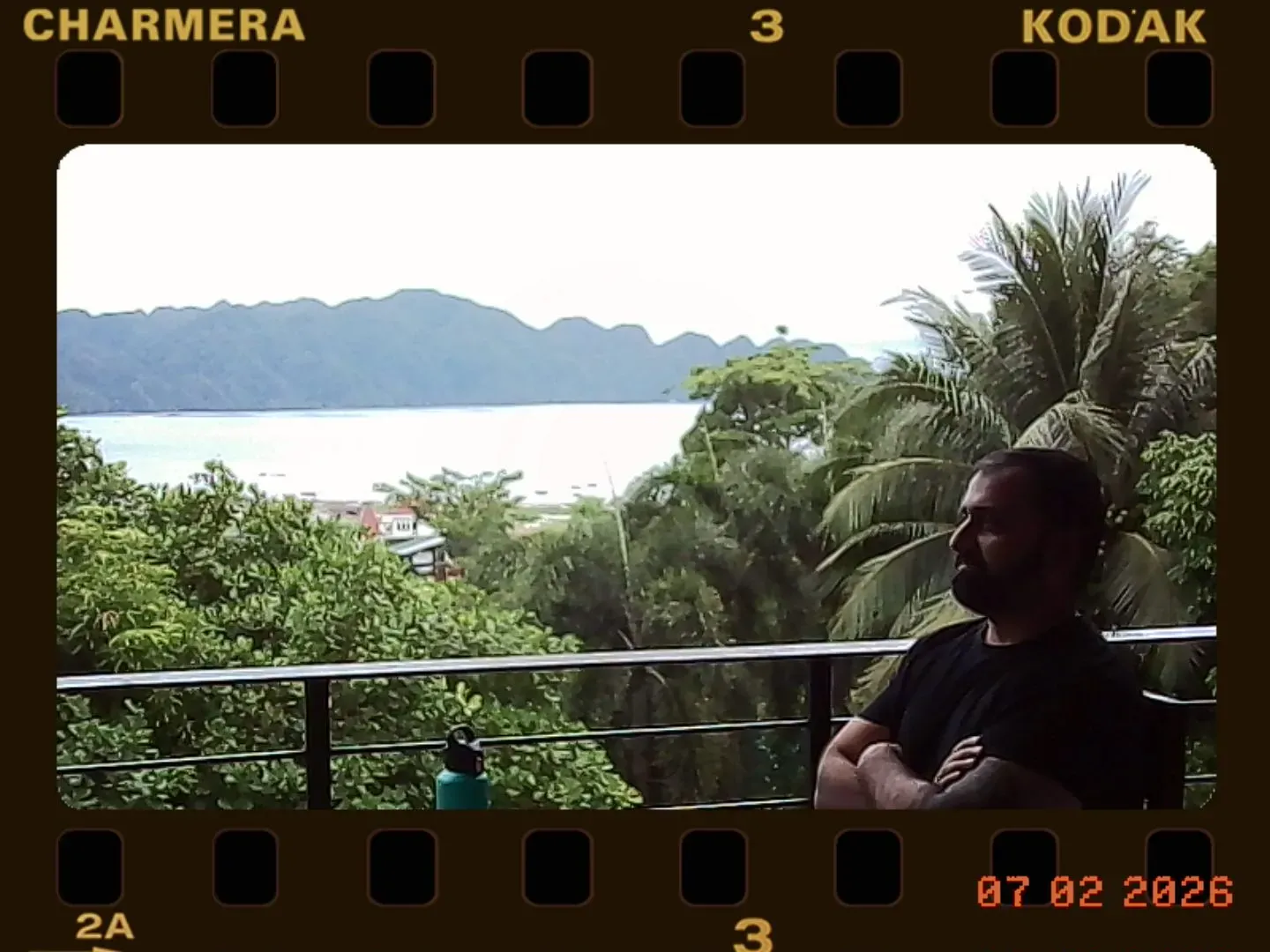
I came back from the Philippines with plenty of clean, beautiful, technically correct images from a phone. And I came back with a folder of soft, grainy, badly exposed 1.6 megapixel pictures from a plastic keychain.
I keep opening the second folder.